MRO Training
From Maintenance Procedures to Systems Understanding —
Aviation MRO Education Solutions
To overcome the high cost of real aircraft equipment and the limitations of repeated practice, FLYTO provides immersive educational environments for hands-on training in maintenance procedures, cockpit panels, systems checks, and component structure learning.
A Maintenance Education Framework from Planning Through Practical Operations
Effective maintenance education requires procedure comprehension, systems understanding, fault scenario recreation, and repeated practice — working in concert. FLYTO delivers a hands-on maintenance education framework suited to real institutional environments.
Establish practical goals and learning scope aligned with the target audience and course level.
Configure airframe structure, systems, inspection equipment, and interfaces to match training objectives.
Build maintenance procedure, systems check, and component disassembly/assembly practice content.
Repeatedly practice and validate maintenance procedures and systems operation flows through simulation.
Continuously improve practice content based on training outcomes and learner feedback.
System Configuration
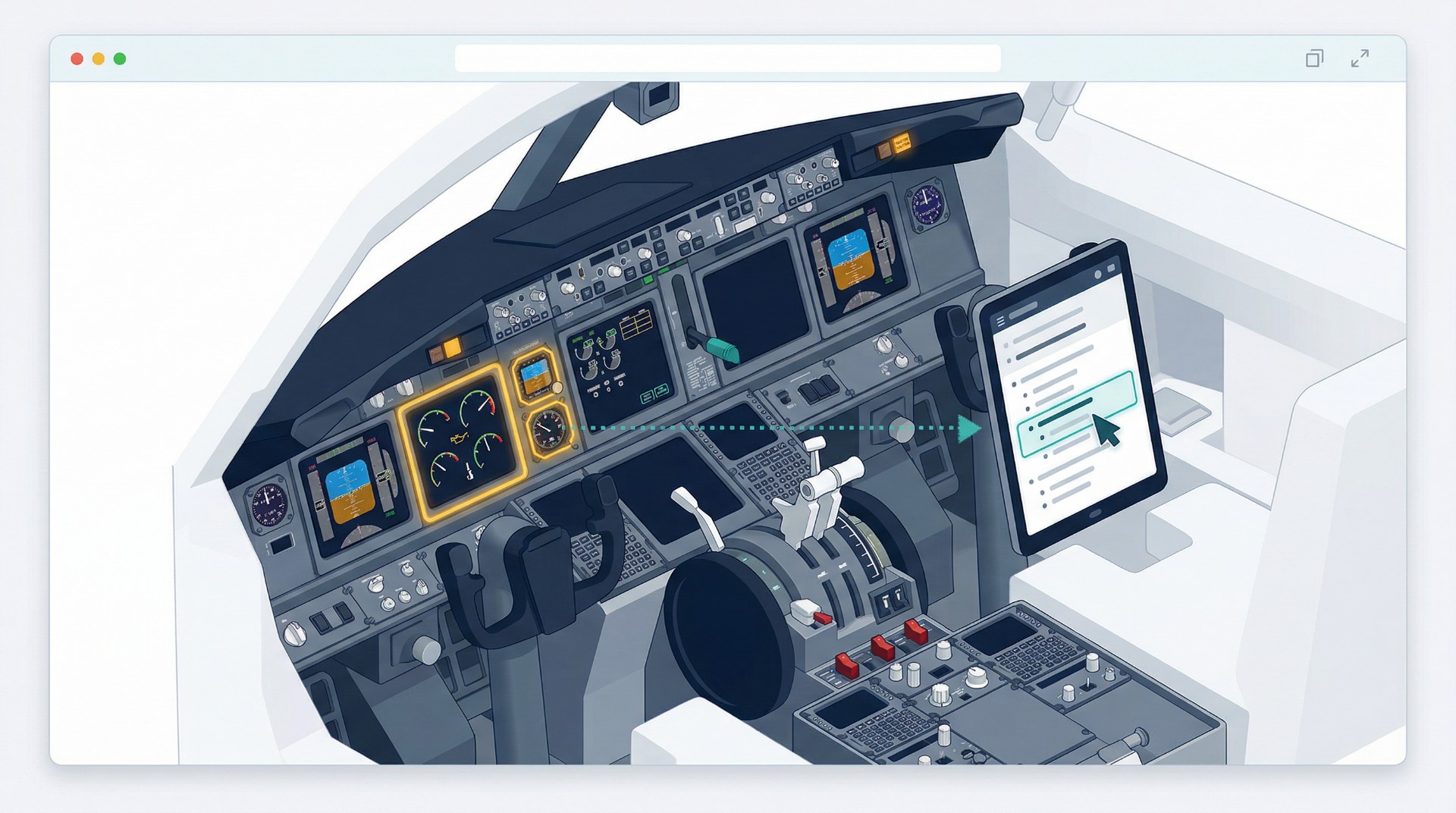
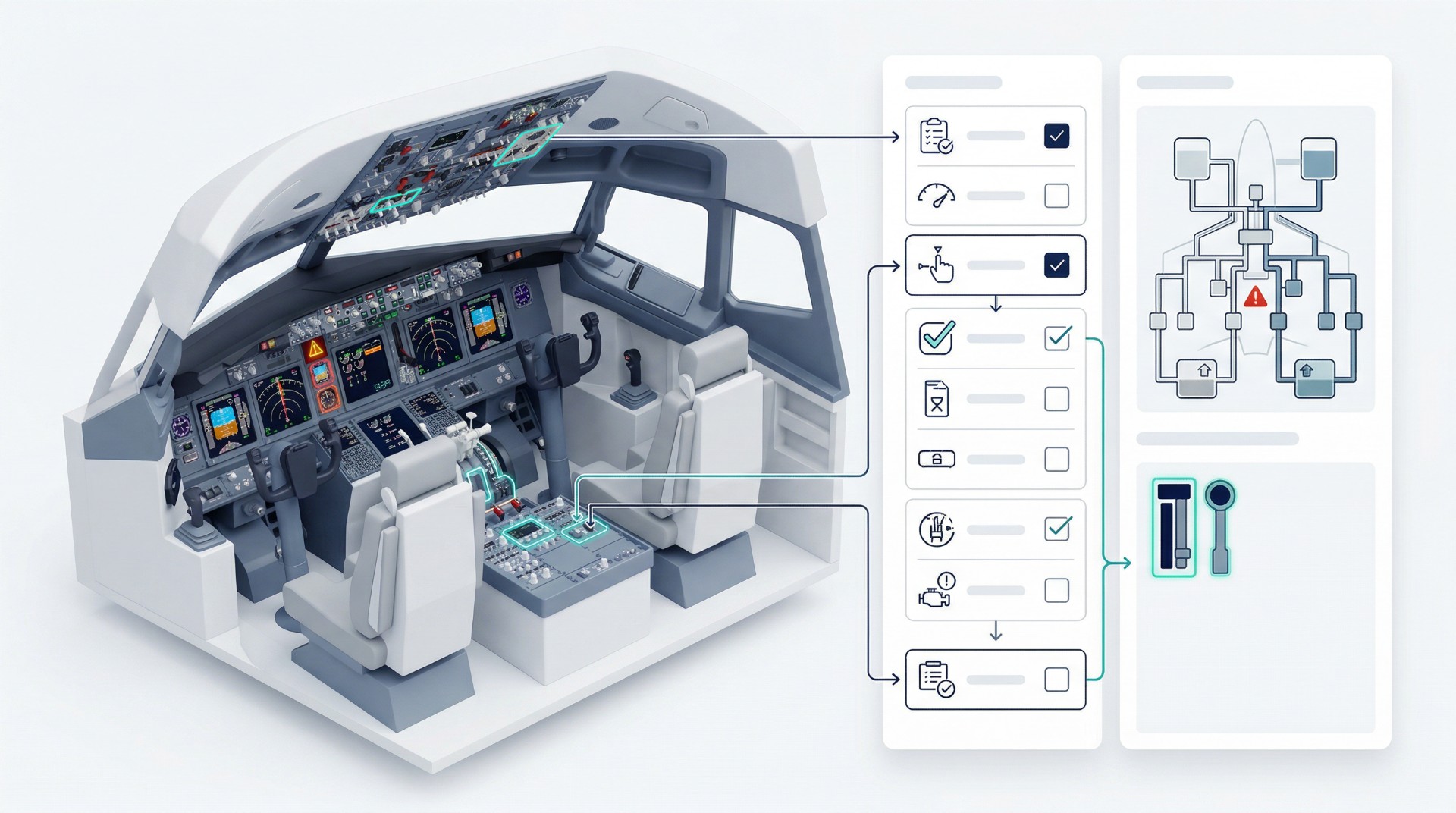
Response procedure content for 4 representative pre-flight abnormal situation scenarios (additional scenarios to be added)
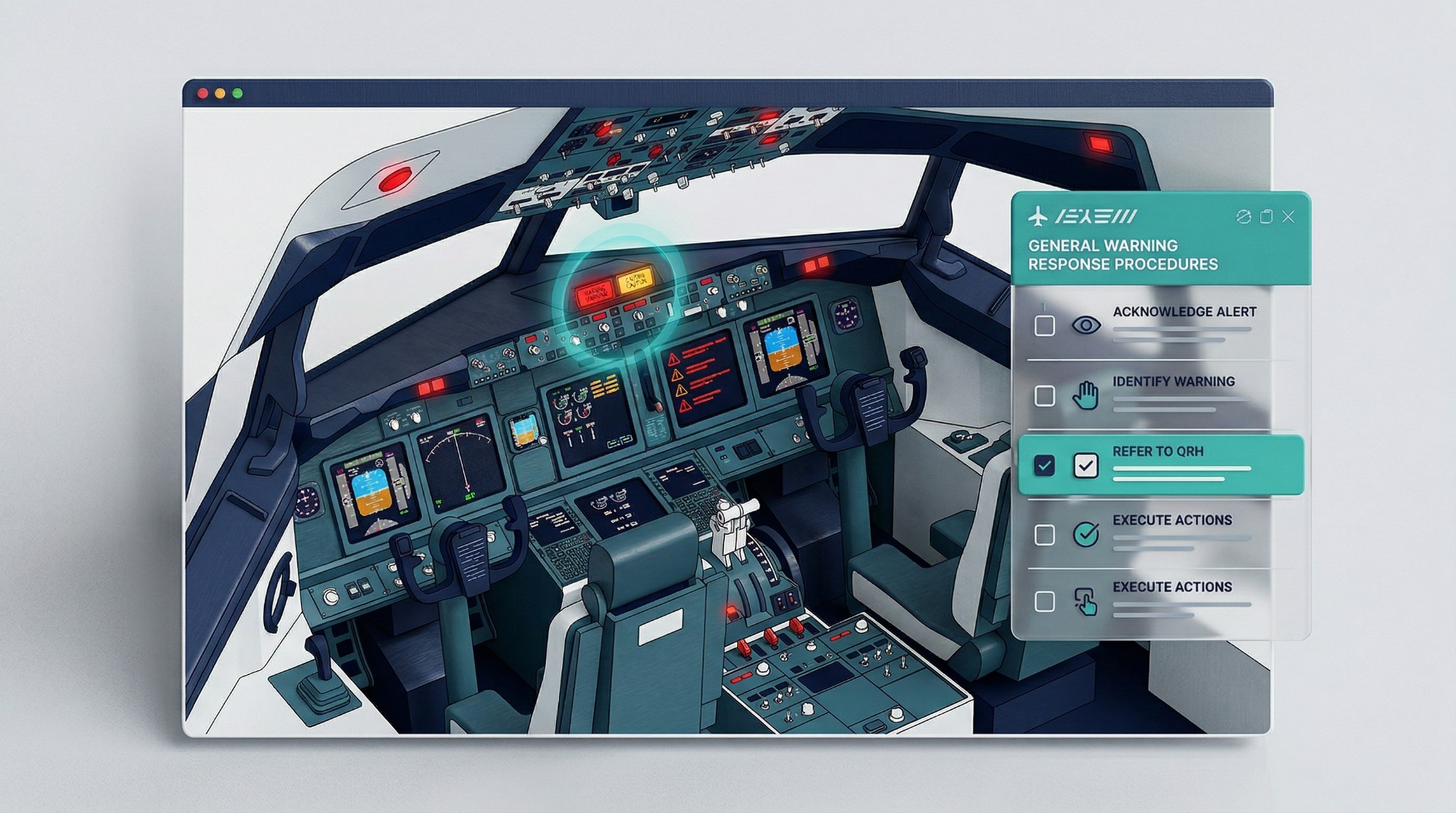
Training Procedure
Step-by-step inspection and corrective action guidance
Procedure for Oil Leak Occurrence
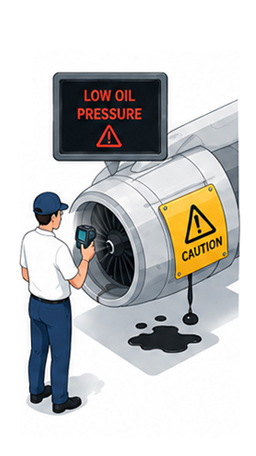
Oil pressure drop warning
Oil traces beneath the engine
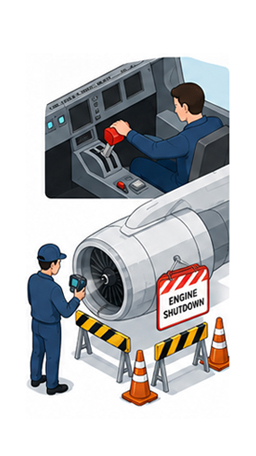
Engine shutdown control
Ground safety isolation
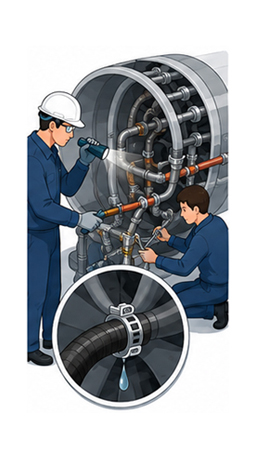
Visual and tool-based inspection by maintenance personnel
Check oil lines, hoses, clamps,
filters, and seals
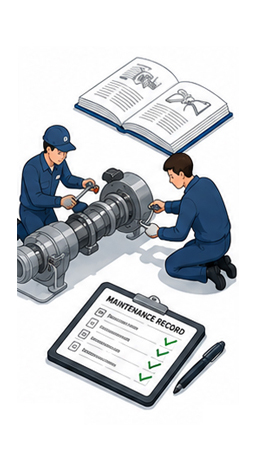
Manual-based corrective action
Gasket/line replacement
Torque wrench application
Maintenance logbook completion
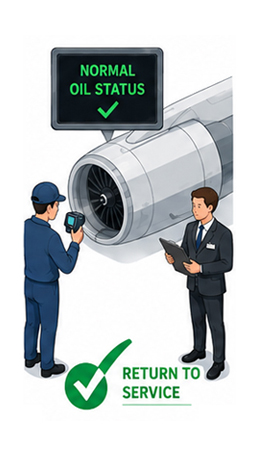
Final oil status verification
Confirm no active leaks
All indicator lights normal
Flight return approval granted
Content-Based Practice Methodology
Combining content-guided response training with hands-on real maintenance practice
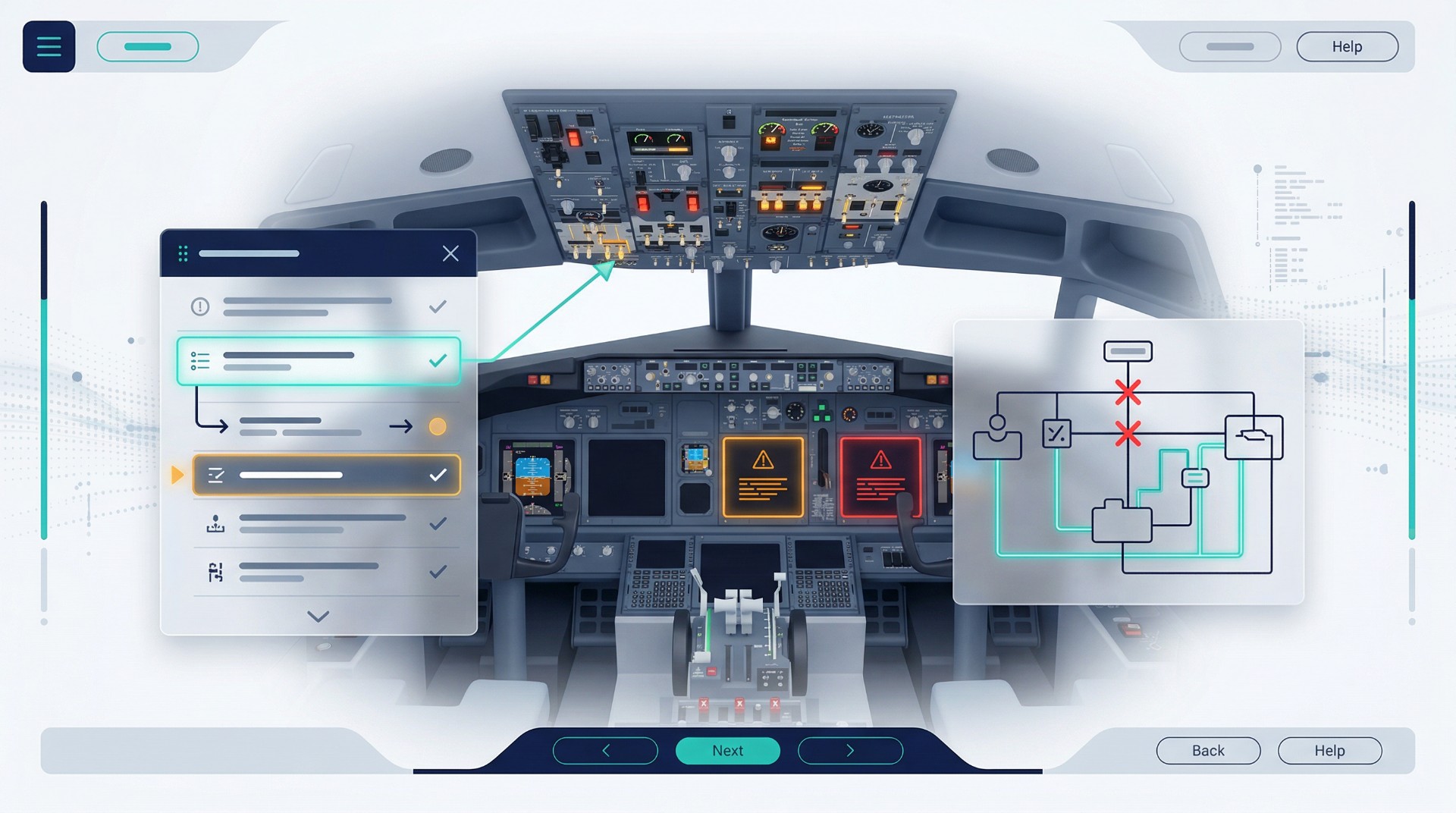
Students first master corrective procedures for abnormal situations through 3D content, then apply them in real maintenance practice — maximizing hands-on training effectiveness.
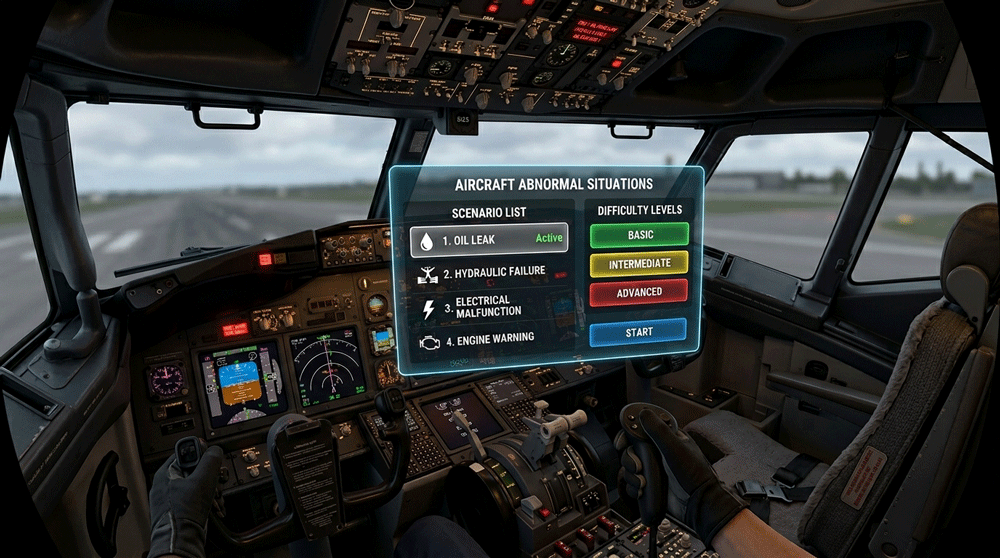
Scenario assignment in the virtual simulator environment
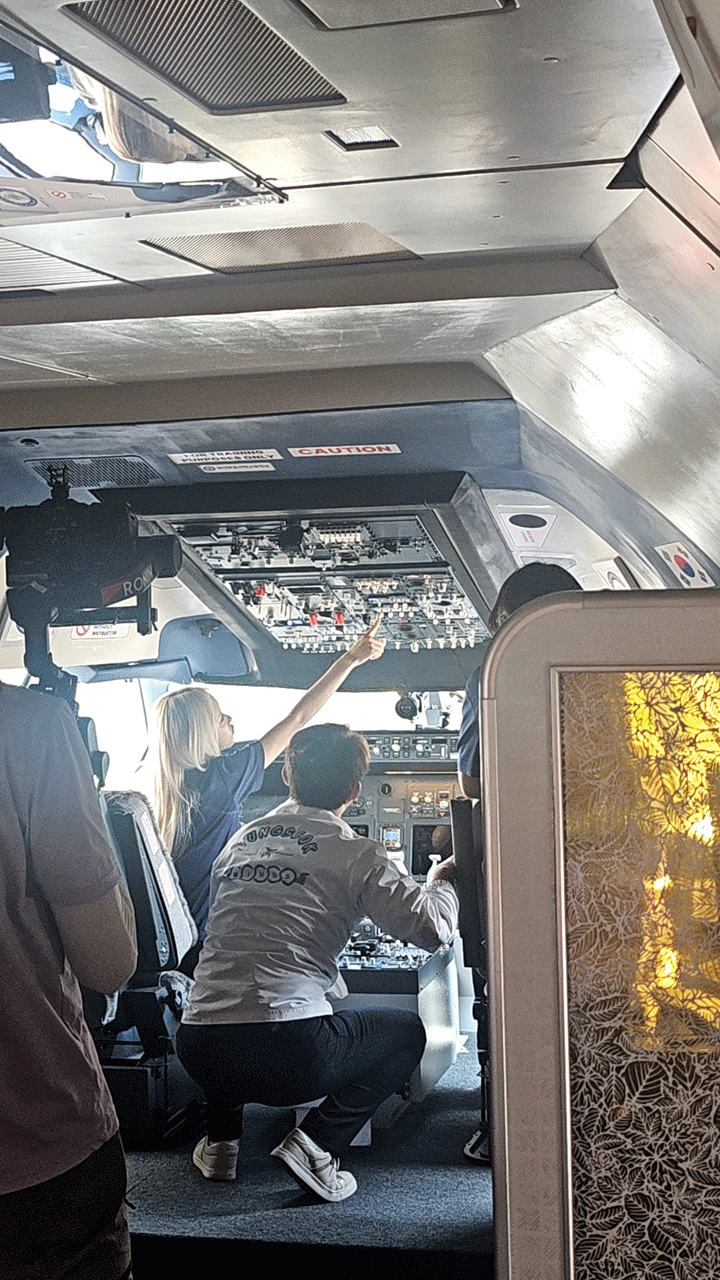
Inducing and identifying abnormal symptoms on physical simulator equipment
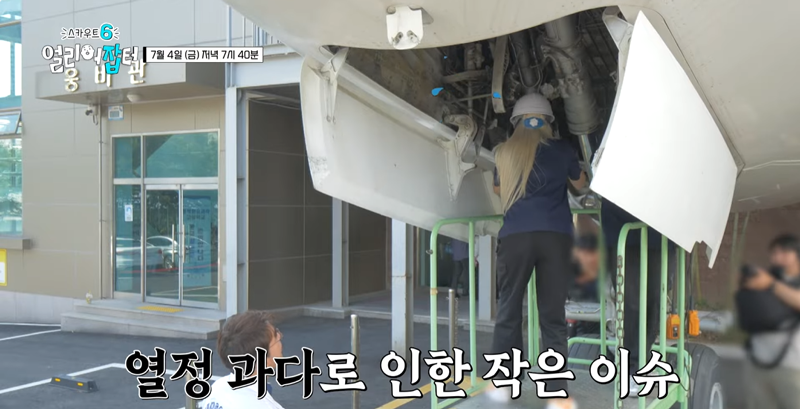
Performing maintenance and restoring inspection-ready status
Maintenance Practice Components
We configure maintenance procedures, systems understanding, cockpit panel checks, and component structure learning to precisely match training objectives.
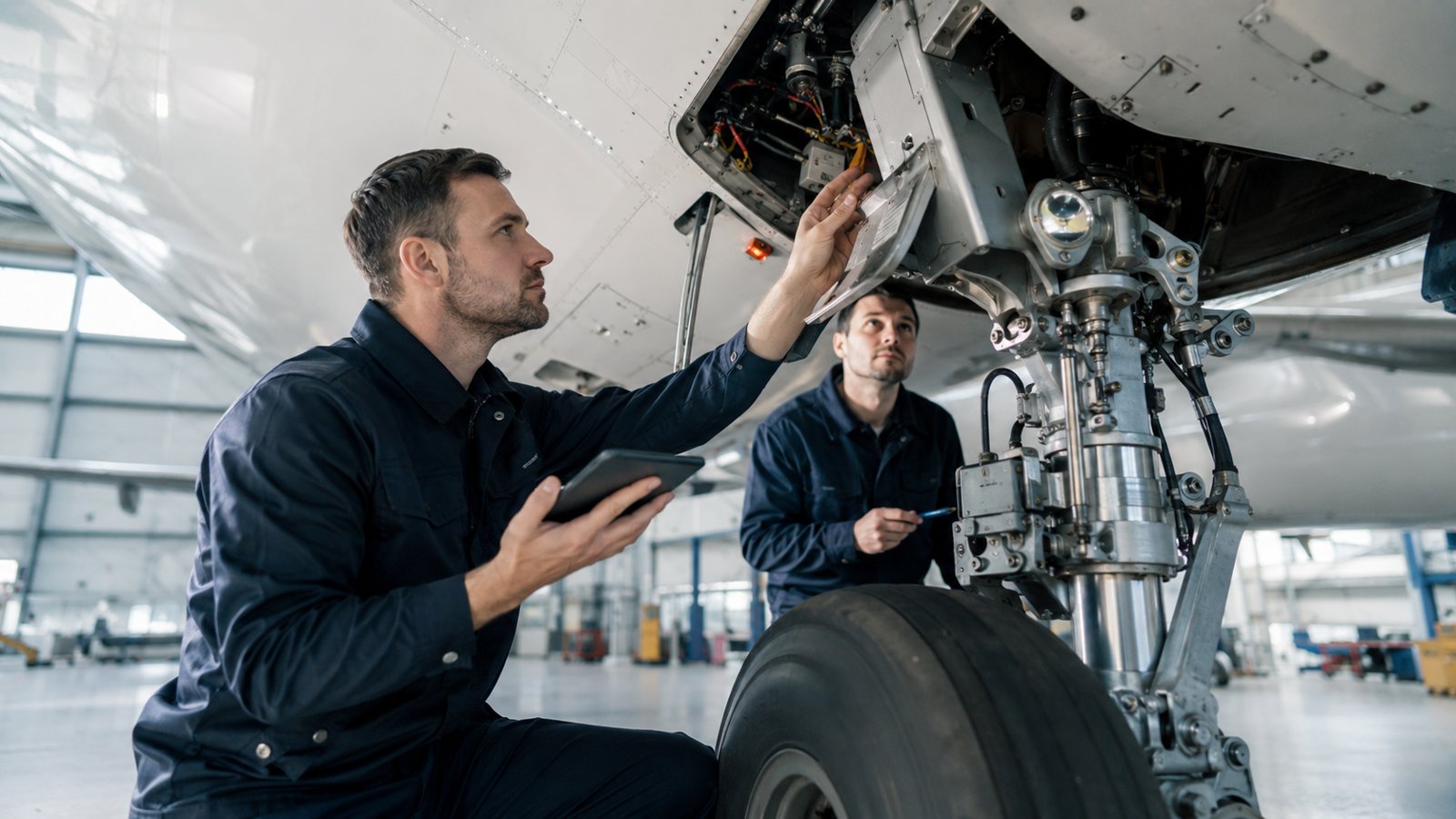
Aircraft structure and maintenance workflows are structured as step-by-step content, enabling repeated learning without requiring access to real equipment.
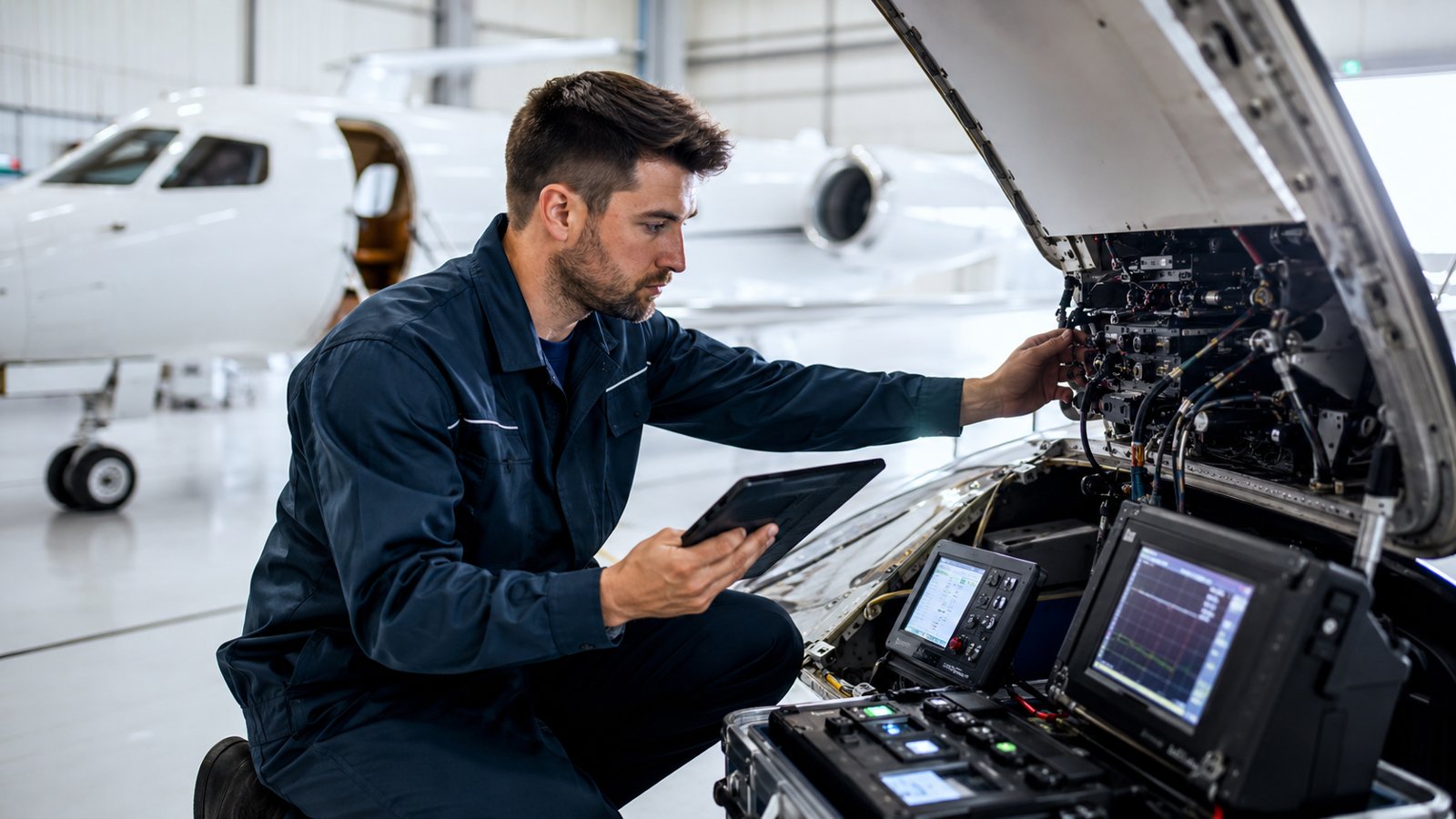
Students learn operational flows, inspection procedures, and abnormal situation responses for key systems including electrical, fuel, hydraulic, pneumatic, and engine.
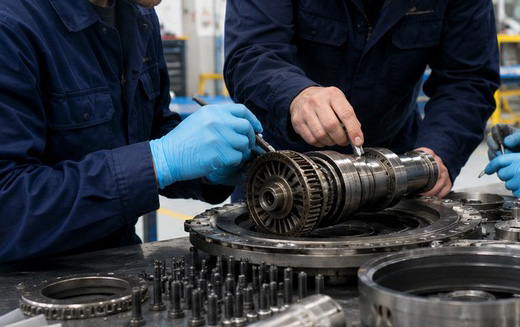
Virtual practice content delivers the component structure understanding and disassembly/assembly procedures essential for maintenance education.
Essential Elements for Hands-On Maintenance Education
We support an educational framework that helps aviation maintenance departments, aviation high schools, and MRO training institutions meaningfully reduce equipment acquisition costs and overcome repeated practice limitations.
- Curriculum-aligned configuration for aviation maintenance programs
- Cockpit panel and systems operational checks
- Fault scenario recreation and repeated hands-on practice
- Domestic maintenance support and ongoing content updates