Flight Physics Engine
Realistic Flight Response
Based on Real-Flight Data
FLYTO’s flight physics engine analyzes aircraft dynamics and control response and applies them to simulator models. It goes beyond purely theoretical models to support training and validation based on actual aircraft data.
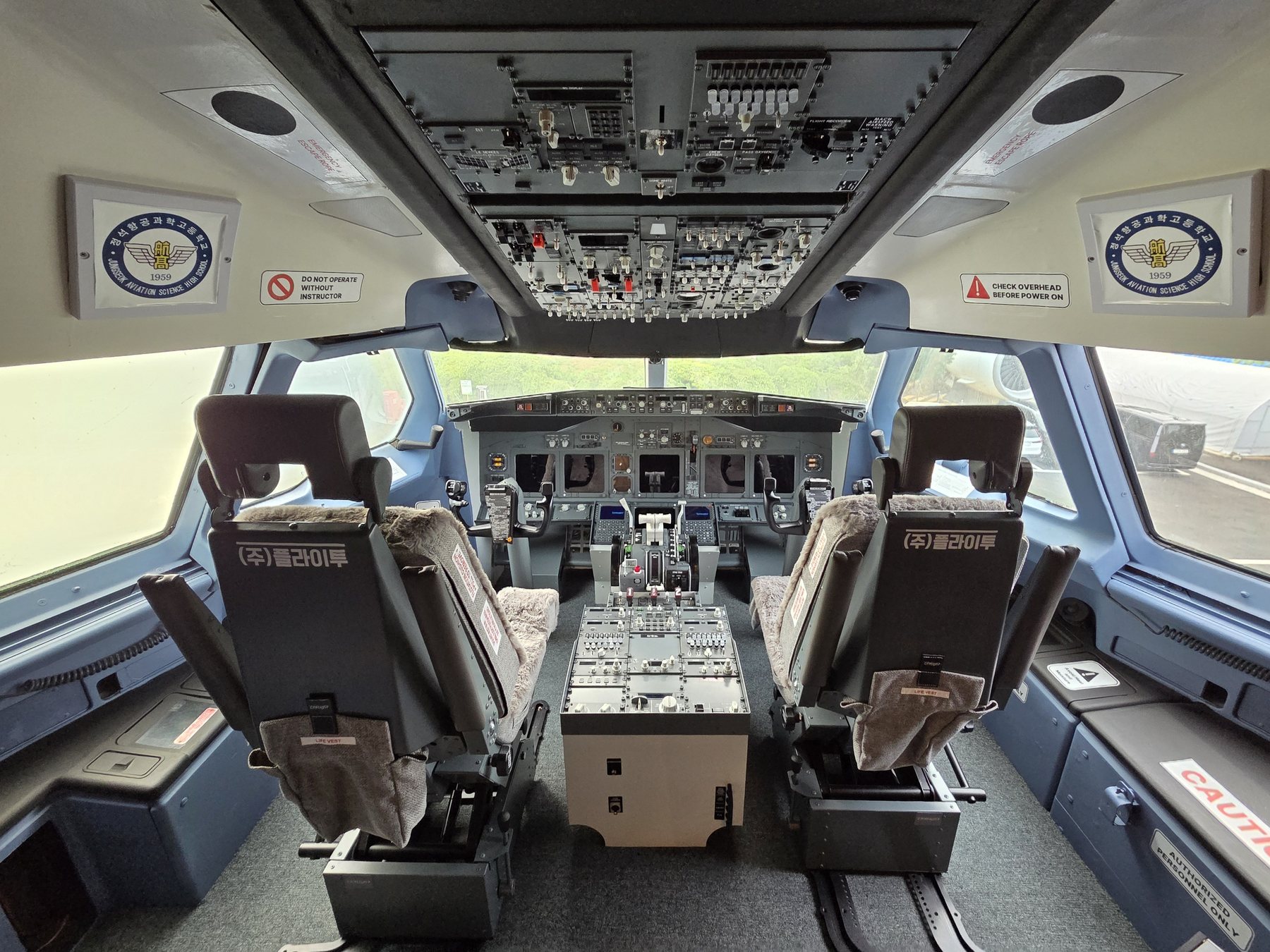
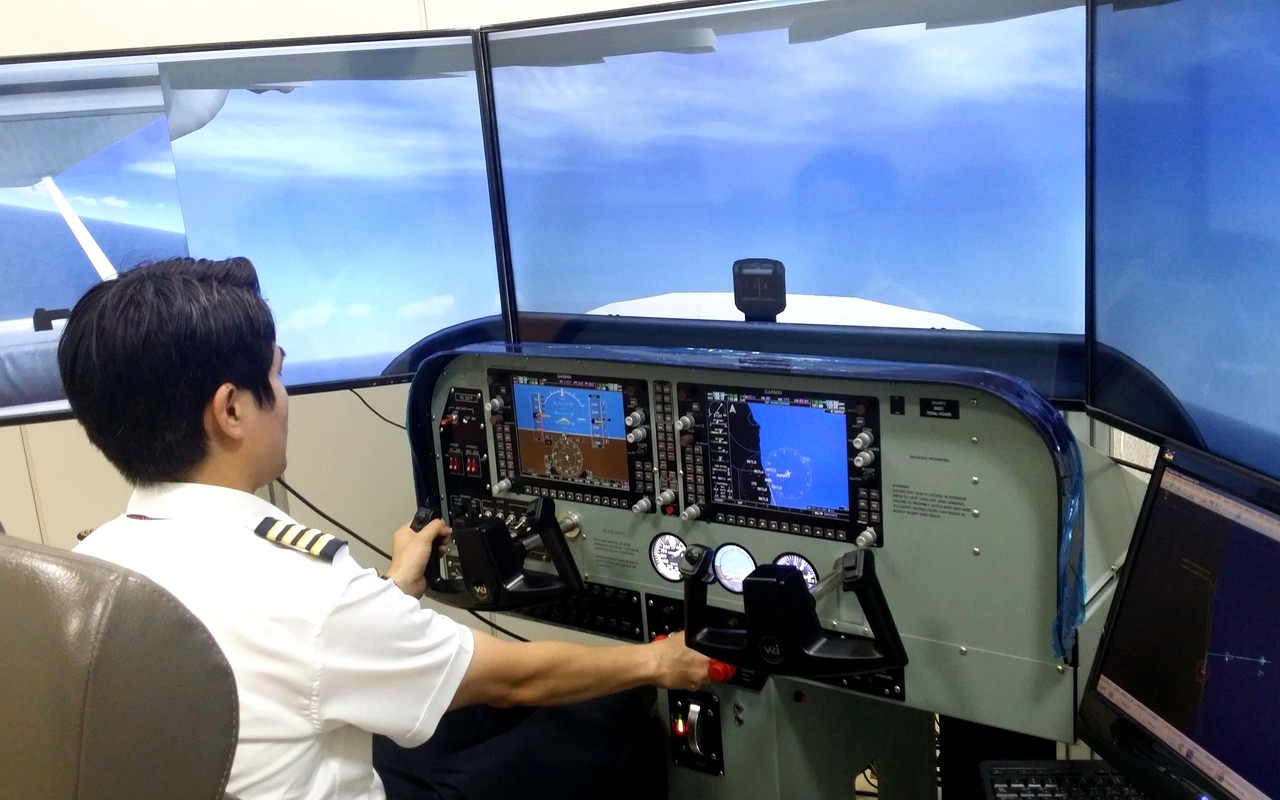
Connecting Control Inputs and Aircraft Response through Data
Key flight-dynamics factors—including pitch, roll, yaw, lift, drag, thrust, and control-surface response—are analyzed and reflected in aircraft-specific physics models.
- Aircraft-specific dynamic analysis
- Control-surface, thrust, and aerodynamic response modeling
- Physics-model calibration using real-flight data
Core Elements of the Flight Physics Engine
These core elements deliver realistic training and reliable performance validation.
 Flight Dynamics Modeling
The simulation reflects pitch, roll, yaw, lift, drag, thrust, and other key flight-dynamics factors.
 Control Response Modeling
Aircraft response to stick, throttle, pedal, and control-surface inputs is analyzed to improve training accuracy.
 Data-Driven Calibration
FDAU real-flight data is used to reproduce aircraft-specific control characteristics and flight response.
The Core Engine Connecting Training Equipment and Validation Platforms
CIFER-based flight-characteristics modeling precisely analyzes aircraft dynamics and control response. The engine improves simulator handling fidelity and provides a technical foundation for aircraft performance validation and UAM/eVTOL operational validation.